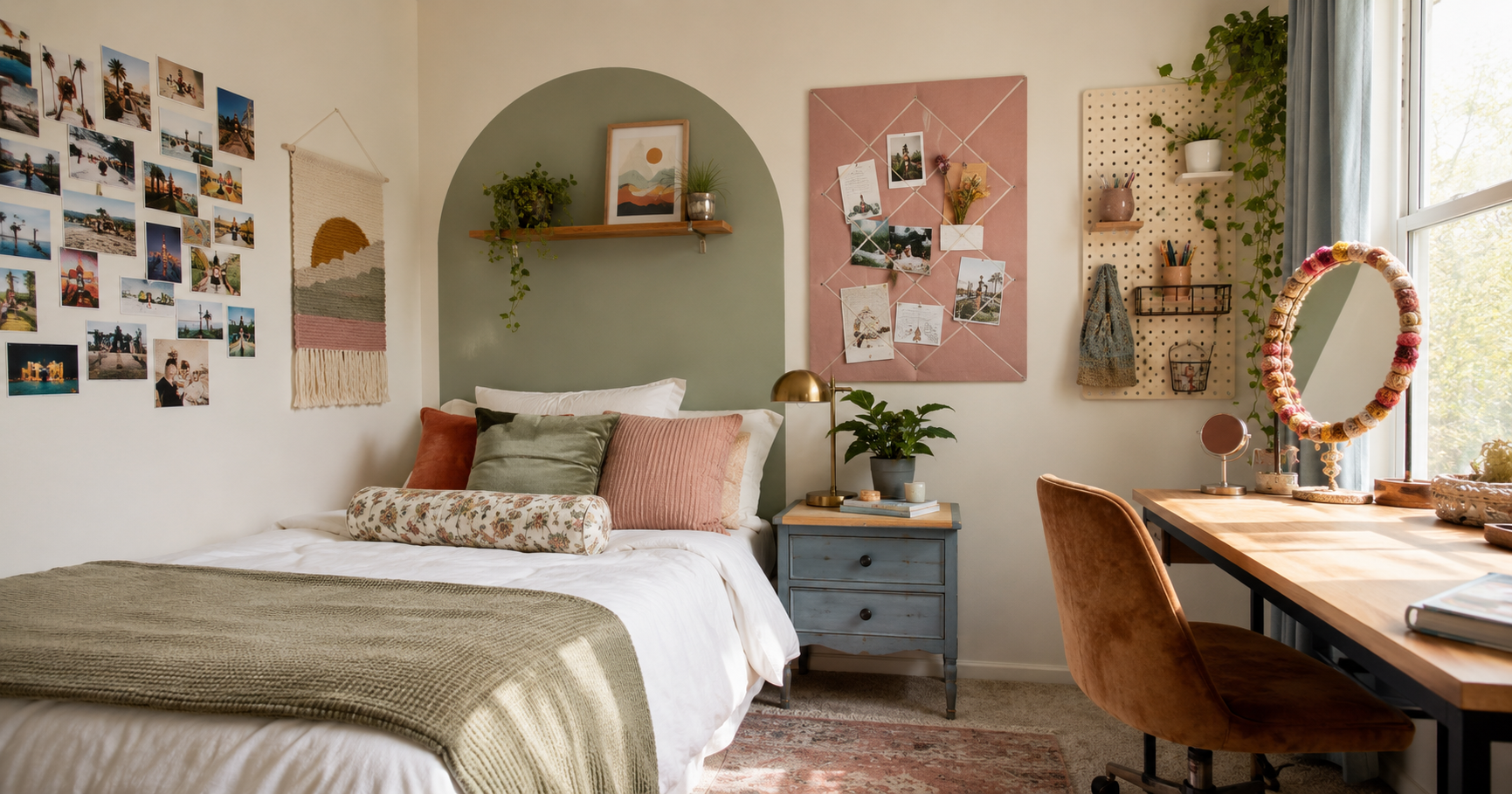
Create a Teen Bedroom That Feels Personal Without Overspending
A teen bedroom is more than a place to sleep. It may also function as a study area, a creative space, a place to relax, and one of the few rooms where a teenager can fully express a personal style. However, creating a room that feels current and customized does not require an expensive shopping trip or a complete furniture replacement.
The best DIY room decor for teens combines personality with practical function. A photo display can fill an empty wall while preserving favorite memories. A painted storage crate can add color while reducing clutter. A handmade bulletin board can become both a decorative focal point and a useful place for schedules, reminders, and inspiration.
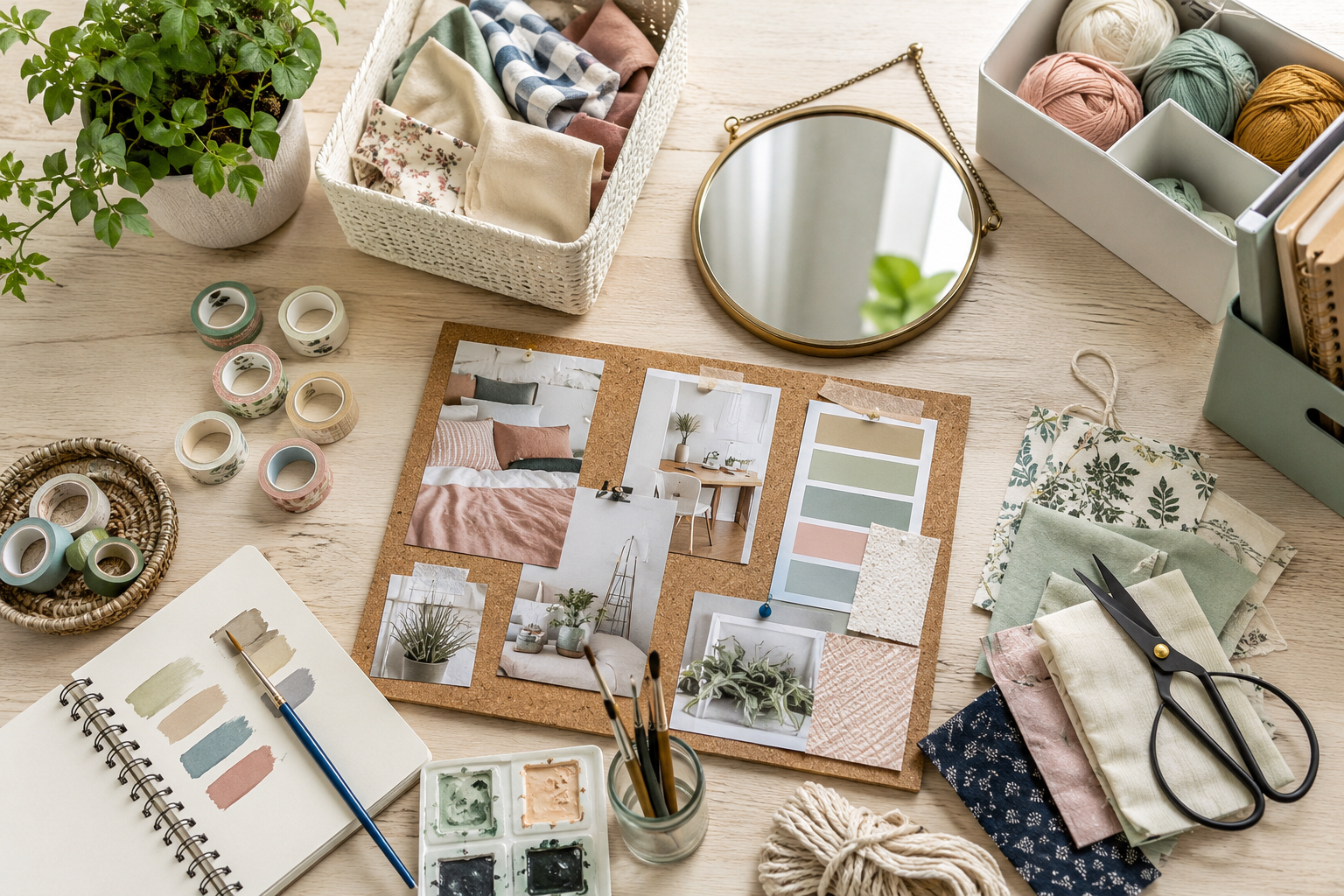
Before starting, choose two or three main colors and identify the areas that need the most improvement. A room may need better storage, more comfortable lighting, a stronger focal point, or a more organized desk. Selecting projects that solve those specific problems will create a more noticeable transformation than adding random decorations.
The following budget-friendly ideas can be adapted to different room sizes, decorating styles, and skill levels. Many use materials that may already be available at home, while others can be completed with inexpensive supplies from a craft store, thrift store, or dollar store.
1. Make a Personalized Photo Collage Wall
A photo collage is one of the easiest ways to personalize a teen bedroom. It can include photos of friends, family, pets, vacations, favorite places, hobbies, artwork, ticket stubs, postcards, and inspirational words. Instead of attaching everything randomly, plan the arrangement on the floor before moving it to the wall.
For a clean look, print photos in similar sizes and arrange them in a grid. For a more relaxed style, combine different sizes and mix photographs with illustrations, patterned paper, or magazine cutouts. Removable adhesive strips or poster putty can help protect painted walls, which is especially useful in rental homes.
Choose images that share a similar color palette to make a large collage feel intentional. Black-and-white photos can create a modern look, while bright prints can make a neutral bedroom feel more energetic.
2. Paint an Arch Behind the Bed or Desk
A painted arch can create the appearance of an architectural feature without the cost of installing a traditional headboard or wall paneling. It can frame a bed, highlight a desk, or define a reading corner in a small bedroom.
Use a pencil, string, and removable tape to mark the shape before painting. A sample-size container of paint may be enough for a small arch, making this an affordable way to introduce a bold color. Muted green, dusty blue, warm beige, soft terracotta, and pale lavender are versatile options that can work with many teen bedroom styles.
Keep the rest of the wall simple so the painted shape remains the focal point. Before painting, confirm that permanent color changes are allowed. A large removable wall decal can create a similar effect when painting is not an option.
3. Cover a Basic Corkboard With Fabric
A plain corkboard becomes much more decorative when covered with fabric. This project can add color and pattern while creating a useful place for reminders, photos, schedules, drawings, and small keepsakes.
Choose a lightweight fabric that coordinates with the bedding or curtains. Cut the fabric slightly larger than the board, pull it tightly across the front, and secure it around the back with staples or strong craft adhesive. Ribbon can be added in diagonal lines to hold photos without pushpins.
The frame can also be painted to match the room. Place the finished board above a desk or near the door where important information will be easy to see.
4. Give a Thrifted Mirror a New Look
Mirrors can make a small bedroom feel brighter and more open, but decorative versions can be expensive. Look for a basic mirror at a thrift store, yard sale, or discount shop and update the frame at home.
Clean the frame carefully, cover the reflective surface with paper and painter’s tape, and apply paint suitable for the frame material. A single solid color creates a simple modern result. Small painted flowers, checkerboard patterns, dots, waves, or color-blocked sections can create a more playful finish.
The frame can also be decorated with wooden beads, braided cord, lightweight clay shapes, or small tiles. Avoid attaching anything sharp or excessively heavy, and make sure the finished mirror is mounted securely.
5. Create No-Sew Pillow Covers
Decorative pillows can change the mood of a bedroom, but buying several new pillows quickly becomes expensive. No-sew covers make it possible to update existing pillow inserts with fabric, fabric adhesive, or iron-on bonding tape.
Choose durable fabric in colors that connect the bed to the rest of the room. One patterned pillow can add interest, while solid colors can balance a busy comforter. Old blankets, curtains, large scarves, and unused fabric remnants may also be suitable for this project.
Envelope-style covers are especially practical because they can be removed for washing. Measure the pillow carefully and leave enough fabric to create overlapping panels at the back.
6. Install Simple Display Ledges
Narrow display ledges provide a flexible way to decorate without creating a permanent gallery arrangement. They can hold framed art, small photographs, lightweight books, postcards, and small decorative objects.
Unfinished wooden ledges can be painted or stained to match existing furniture. Another option is to repurpose narrow spice racks as compact display shelves. Arrange items in layers, placing taller frames behind smaller pieces.
A ledge above a desk can hold inspiration without taking up work space. One above the bed can act as a visual focal point, but it must be installed securely and should not hold heavy or breakable objects.
7. Turn a Wooden Crate Into a Bedside Table
A sturdy wooden crate can become an affordable bedside table with built-in storage. Sand rough areas, apply paint or stain, and place the crate on its side so the open section can hold books, baskets, or electronics.
Small furniture feet or locking caster wheels can be attached to the bottom for a more finished appearance. The top can hold a lamp, water bottle, alarm clock, or charging station.
This project is especially useful in a small room because it combines storage and surface space. Choose a crate that is stable, inspect it for loose boards, and avoid placing more weight on it than the material can safely support.
8. Add Warm LED Fairy Lights
Lighting has a major effect on how a bedroom feels. Warm LED fairy lights can make a room more inviting and provide softer evening light than a bright overhead fixture.
Hang them around a photo wall, along a curtain rod, above a headboard, or around a reading corner. Removable clear hooks can help create an organized installation without damaging the wall. Battery-operated lights may work well in areas without a nearby outlet.
Use LED lights made for indoor decorating and follow the manufacturer’s instructions. Do not cover lights with fabric, place them near flammable materials, or overload an electrical outlet. Lights with an automatic timer can also help prevent unnecessary energy use.
9. Decorate Matching Storage Boxes
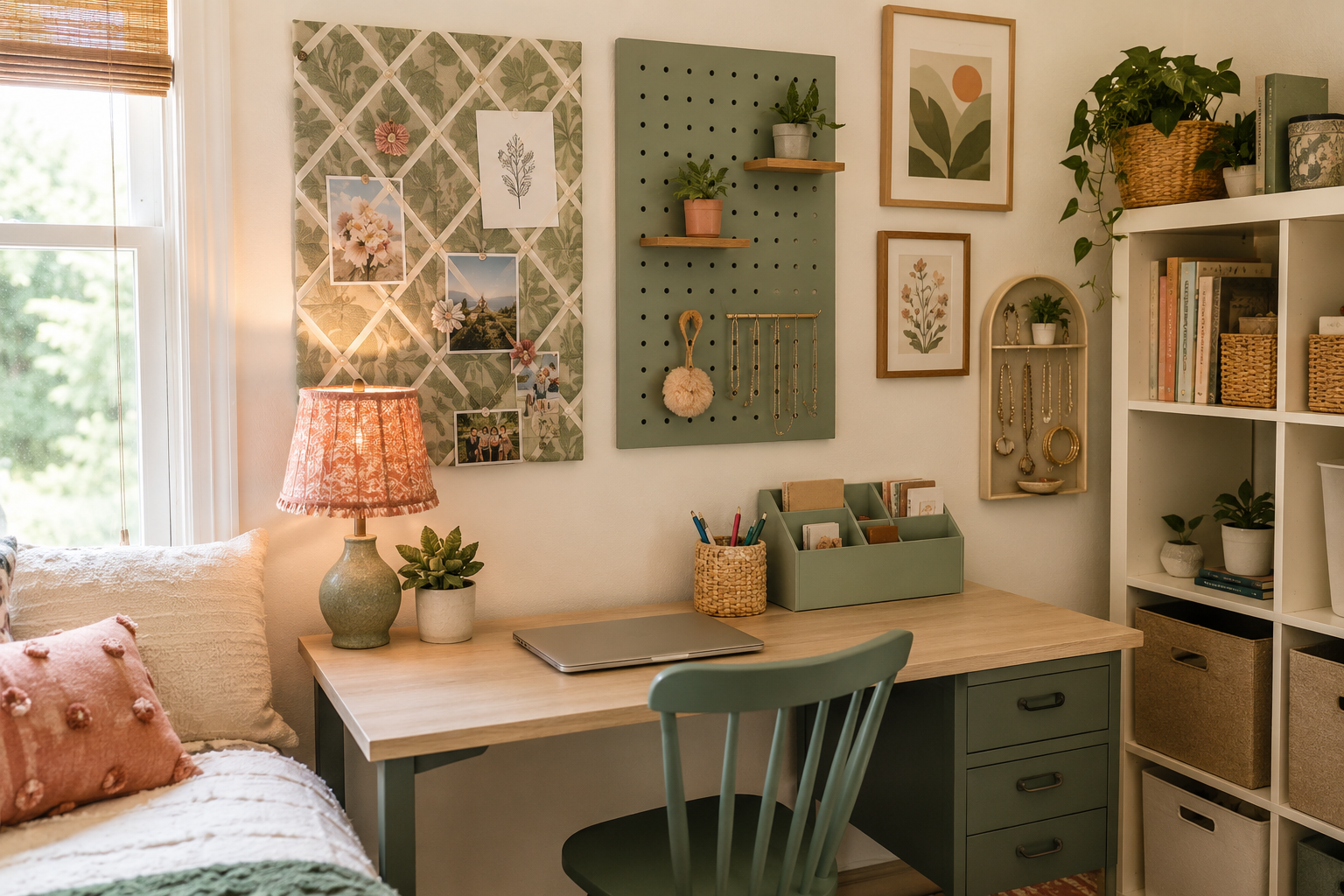
Visible storage looks more intentional when containers share a coordinated style. Plain cardboard boxes, shoe boxes, or inexpensive lidded bins can be updated with paint, wrapping paper, removable wallpaper, fabric, or decorative labels.
Use them to organize school supplies, art materials, hair accessories, electronics, seasonal clothing, or sentimental items. Choose one repeated element, such as a matching label shape or a consistent color, to make different containers look like a set.
Before decorating, decide where each box will be stored. Measure shelving and under-bed spaces so the finished containers fit correctly. Clear labels can prevent clutter from returning because every category has an assigned place.
10. Build a Small Pegboard Organizer
A pegboard can keep frequently used items visible without covering the desk. It can hold small baskets, headphones, scissors, notes, charging cables, art tools, or lightweight accessories.
Paint the board in a color that complements the room, or create a simple border with painter’s tape. Arrange hooks and containers according to the items that need storage rather than focusing only on decoration.
A small pegboard above a desk is usually enough for everyday essentials. It must be attached with appropriate hardware so there is enough space behind the board for hooks. Follow the mounting instructions and ask an adult for help when drilling is required.
11. Make a Yarn Wall Hanging
A yarn wall hanging adds softness and color to an empty wall. It is also a forgiving project for beginners because the strands do not need to be perfectly identical.
Cut several pieces of yarn and loop them around a wooden dowel, smooth branch, or metal ring. Combine different textures or create a simple color gradient. Trim the bottom into a straight line, point, curve, or uneven layered shape.
For a more detailed design, add wooden beads, braided sections, or small tassels. Keep the finished piece lightweight and hang it from a secure hook. Leftover yarn from other craft projects can make this decoration nearly free.
12. Customize a Plain Lampshade
A basic lamp can become a stronger design feature with a carefully customized shade. Add a narrow fabric trim, painted pattern, ribbon border, or removable decorative shapes to the outside of a plain shade.
Simple designs usually look the most polished. Try small dots, loose brushstrokes, a checkerboard border, or one band of color around the lower edge. Test paint or adhesive on a hidden area before covering the entire shade.
Only use materials that are appropriate for lampshades, and keep decorations away from the bulb and internal hardware. Pair the lamp with an LED bulb that meets the fixture’s requirements and produces a comfortable level of light for reading or studying.
13. Create a Removable Wall Pattern
Peel-and-stick shapes can add interest to a wall without the commitment of wallpaper. Cut removable vinyl into arches, stars, flowers, waves, circles, or abstract shapes and arrange them across one section of the room.
A small pattern behind a desk or dresser can be more effective than covering every wall. Space the shapes evenly for a clean look or create a loose cluster that becomes less dense toward the edges.
Test the material in an inconspicuous location first, especially on older or freshly painted walls. Select two related colors for a calm design or several coordinated shades for a more playful result.
14. Make Recycled Desk Organizers
An organized desk can make a bedroom look better while making homework and creative projects easier. Clean food cans, jars, and sturdy cardboard packaging can be transformed into useful organizers.
Cover containers with paint, paper, fabric, cord, or removable wallpaper. Use different heights for pens, markers, scissors, brushes, and rulers. Small boxes can hold sticky notes, charging cables, clips, and other loose items.
Make sure metal cans have no sharp edges before using them. Place finished containers on a tray so they remain easy to move when the desk needs to be cleaned or used for a larger project.
15. Design a Jewelry and Accessory Display
Jewelry, hair accessories, sunglasses, and small bags can become part of the room decor when they are displayed neatly. A wooden board with small hooks can hold necklaces and bracelets, while a framed wire grid can organize earrings, photos, and hair clips.
Paint the frame or board to match the room, then arrange the hooks with enough space to prevent necklaces from tangling. A small dish at the bottom can hold rings and other tiny items.
Place the organizer near the mirror or dresser to create a practical getting-ready area. Keep valuable pieces in a secure location rather than leaving them on an open display.
16. Build a Cozy Floor Reading Corner
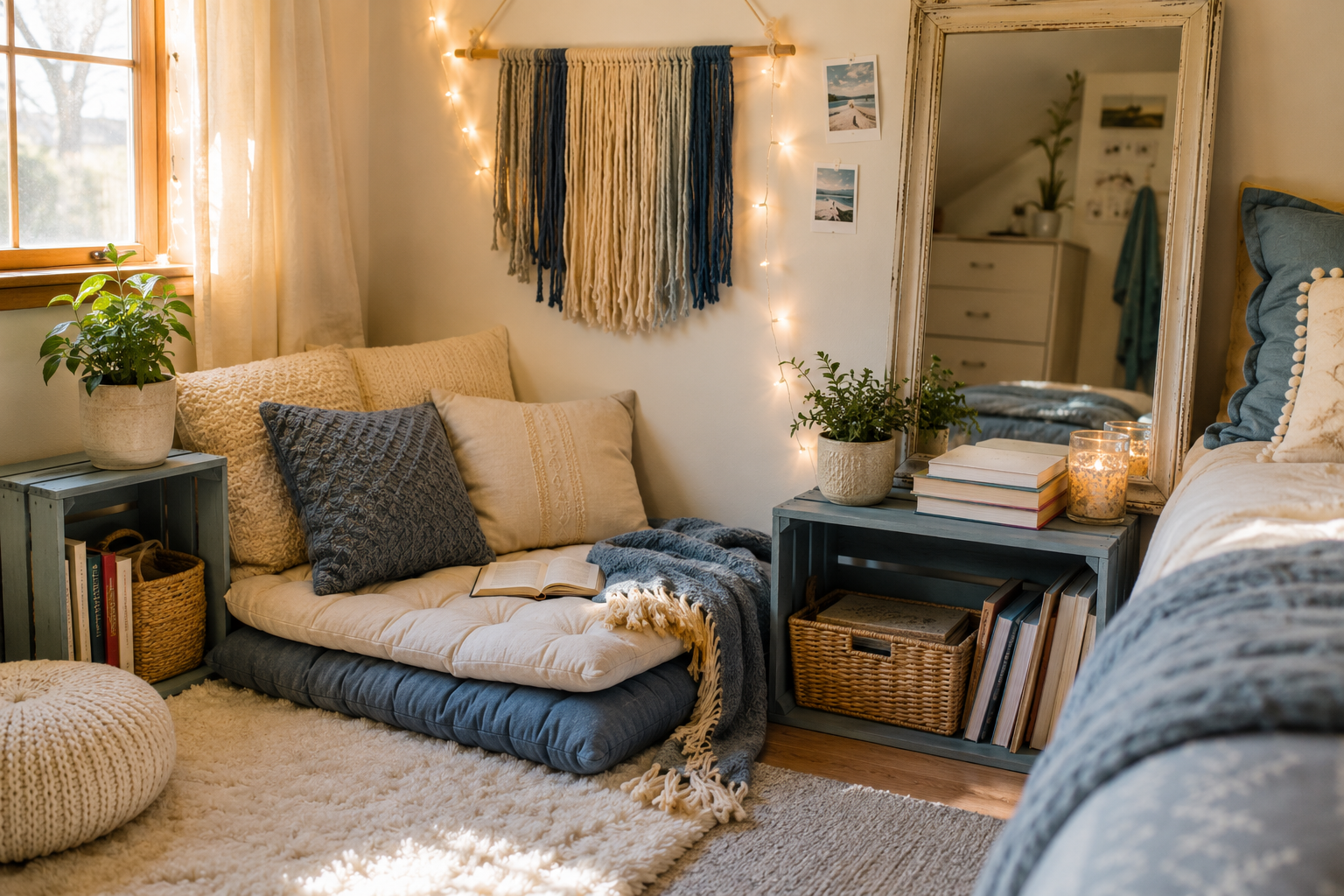
A small reading or relaxation corner can make a teen bedroom feel more complete. Choose an unused corner and add a large floor cushion, a folded quilt, or stacked firm pillows. A small basket can hold books, magazines, headphones, or a journal.
A floor cushion cover can be made from durable fabric using a simple envelope construction or no-sew bonding tape. Reuse an existing cushion insert when possible, or fill a sturdy cover with appropriate upholstery foam.
Add a lightweight wall hanging, warm LED lamp, and small crate for books. Keep the walking path clear and avoid placing cushions directly against heaters, vents, electrical cords, or other hazards.
How to Plan a Teen Room Makeover on a Small Budget
A successful budget makeover begins with a plan. Start by removing trash, donating unused items, and organizing what will remain. A clean room makes it easier to see which changes will have the greatest impact.
Next, make three lists: items already available, supplies that must be purchased, and projects that can wait. Prioritize projects that improve both appearance and function. For example, a decorated storage box is usually more useful than an object that only fills shelf space.
- Choose a simple color palette. Two main colors and one accent color will help separate projects look coordinated.
- Reuse before buying. Look for frames, fabric, containers, mirrors, shelves, and furniture that can be updated.
- Measure the room. Confirm dimensions before buying shelves, storage bins, fabric, or large decorative pieces.
- Complete one area at a time. Finish the desk, bed, wall, or storage zone before beginning another section.
- Set a spending limit. Divide the available budget between paint, craft supplies, storage, and any necessary hardware.
Thrift stores, dollar stores, clearance sections, and household leftovers can provide many of the basic supplies. However, a low price should not replace safety or quality. Use reliable mounting hardware, suitable electrical products, and materials intended for the surface or purpose.
How to Make Different DIY Projects Look Cohesive
A bedroom can include several handmade projects without looking cluttered. The key is repetition. Repeat the same colors, wood tone, metal finish, or pattern in several parts of the room.
For example, a muted green painted arch can connect with a green pillow and painted pegboard. A light wood crate can coordinate with a wooden mirror frame and wall hanging dowel. Black frames can make photographs, printable art, and bulletin boards feel like one collection.
Leave some walls and surfaces open. Empty space gives important decorations room to stand out and makes the bedroom easier to maintain. Rotate photos, artwork, and small accessories instead of displaying every favorite item at once.
Important Safety Tips for DIY Teen Bedroom Decor
Many of these projects are beginner-friendly, but some steps require adult assistance. Drilling, cutting wood, handling sharp tools, working near electrical fixtures, and mounting heavy items should be completed or supervised by someone with the appropriate experience.
- Use removable products only after testing them on a hidden section of the wall.
- Mount shelves, mirrors, and pegboards with hardware designed for their weight and wall type.
- Keep fabric, paper, and other flammable decorations away from bulbs and heaters.
- Use LED decorative lighting intended for indoor use.
- Work in a ventilated area when using paint, adhesive, or protective finishes.
- Check thrifted furniture and wood for damage, loose hardware, splinters, or pests.
A safe project should also be easy to clean and maintain. Avoid placing fragile decorations above the bed, blocking air vents, or creating piles of cords around the desk or nightstand.
Refresh the Room With Projects That Feel Meaningful
The most successful teen bedrooms are not perfect showroom spaces. They reflect the person who uses the room. Favorite colors, memories, artwork, hobbies, and practical routines should guide the decorating choices.
Begin with one high-impact project, such as a painted arch, photo wall, refreshed mirror, or organized desk. Then add smaller handmade details that support the same color palette and style. Completing a few thoughtful projects will usually create a stronger result than filling the room with many unrelated decorations.
With careful planning, reused materials, and a little creativity, these DIY room decor ideas for teens can turn an ordinary bedroom into a more comfortable, organized, and personal space without exceeding the budget.