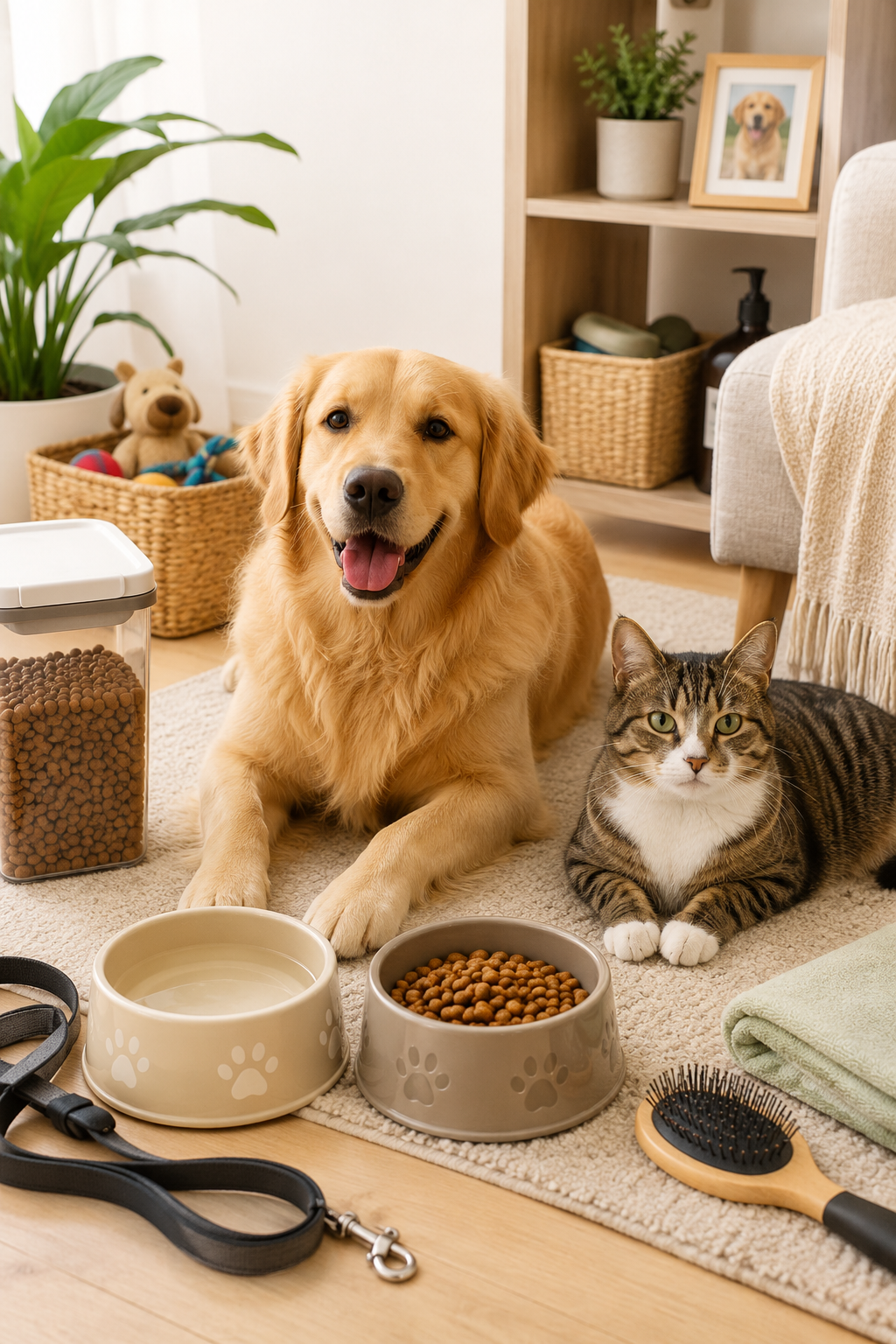
9 Simple Pet Care Routine Tips for a Happier Pet
A good pet care routine does more than keep food bowls full and litter boxes clean. It creates structure, lowers stress, helps you spot health issues earlier, and makes everyday life easier for both you and your pet. Whether you have a playful puppy, a senior dog, a curious cat, or a laid-back indoor companion, small daily habits can make a big difference over time.
One of the biggest reasons pets thrive on routine is predictability. Animals quickly learn when meals happen, when it is time for a walk, when the house gets quiet, and when they can expect attention from you. That rhythm helps them feel secure. It can also reduce unwanted behaviors caused by boredom, confusion, or pent-up energy.
The good news is that a helpful pet care routine does not have to be complicated. You do not need an hour-by-hour schedule or a long checklist that feels impossible to keep up with. In most homes, the best routine is one that is simple, realistic, and easy to repeat. A few consistent habits around feeding, exercise, cleaning, grooming, play, and health monitoring can go a long way.
If you have been wanting a better daily pet system, these simple ideas are a practical place to start. Below, you will find nine easy pet care routine tips that can help keep your pet happier, healthier, cleaner, and more comfortable every day.
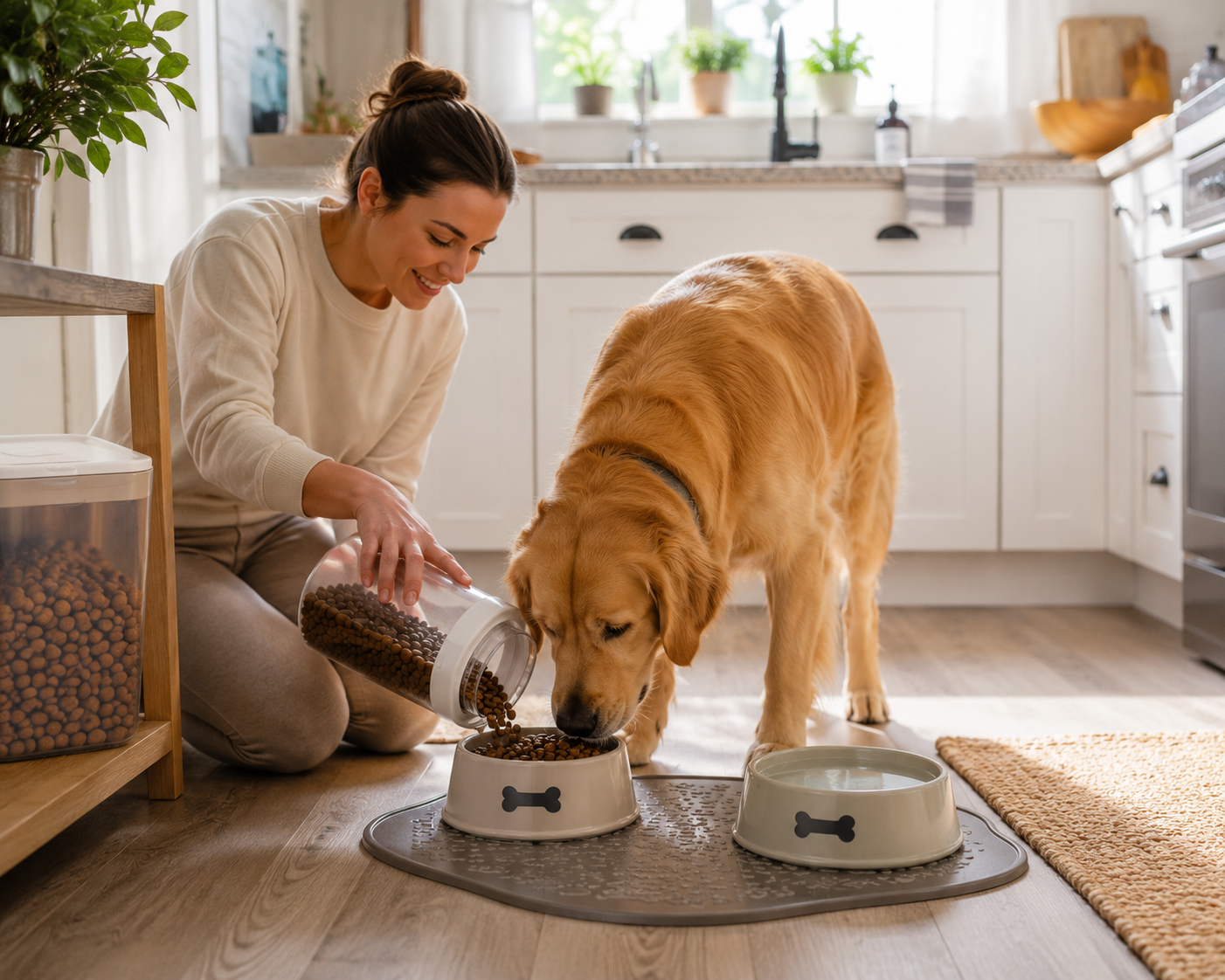
1. Set a Consistent Feeding Schedule
One of the easiest ways to improve your pet care routine is to feed your pet at roughly the same times each day. Consistent mealtimes help pets feel secure, support digestion, and make it easier to notice changes in appetite that could signal stress or illness.
For dogs, a regular feeding schedule can also support potty training, reduce begging, and create a calmer rhythm in the home. For cats, predictable meals can help prevent constant food-seeking behavior and can be especially useful if you are managing weight or feeding multiple cats in the same household.
Instead of free-feeding without any structure, try building a basic meal schedule around your day. For example, many pet owners do well with one morning meal and one evening meal for adult dogs, while cats may do well with two to three small meals depending on their age, diet, and needs.
To make this habit work well:
- Use the same feeding area each day.
- Measure portions instead of eyeballing them.
- Keep fresh water available and refill it daily.
- Use a slow feeder or puzzle feeder if your pet eats too fast.
- Keep treats moderate so they do not replace balanced meals.
If your schedule changes often, use a reminder on your phone or set up a simple chart on the fridge. The goal is not perfection. It is consistency most of the time, so your pet knows what to expect.
2. Refresh Water and Check Bowls Every Day
Fresh water is one of the most basic parts of good pet care, but it is surprisingly easy to overlook when life gets busy. Water bowls can collect dust, fur, food crumbs, and slime quickly, especially in warm weather. A pet care routine should include checking water at least once or twice a day and washing bowls regularly.
Hydration matters for everything from digestion and temperature regulation to urinary health and energy levels. Some pets drink less than they should when water tastes stale or the bowl is dirty. Cats, in particular, can be picky about water quality and bowl placement.
Make water care part of your daily routine by attaching it to another habit you already do, such as making coffee, preparing breakfast, or cleaning the kitchen at night. Empty the bowl, rinse it, refill it with fresh water, and make sure it is placed where your pet can easily reach it.
Helpful water routine ideas include:
- Keep multiple water bowls around the house if you have more than one pet or a larger home.
- Wash bowls with warm soapy water several times a week.
- Use stainless steel or ceramic bowls if possible because they are easy to clean.
- Check outdoor water bowls more often in hot weather.
- For cats, try a pet water fountain if they prefer moving water.
It takes only a minute, but it is one of those small daily habits that supports your pet’s comfort and health in a very real way.
3. Build in Daily Movement and Play Time
Exercise is not just about burning energy. It helps with weight management, mood, muscle tone, sleep, and mental stimulation. A pet that gets regular movement and interaction is often calmer, more content, and less likely to develop destructive boredom habits.
The exact routine will depend on your pet. A young, active dog may need multiple walks and play sessions every day, while a senior dog may do better with shorter, gentler walks. Cats benefit from interactive play that taps into their natural instincts to chase, stalk, jump, and pounce. Even indoor pets that seem relaxed still need some form of daily engagement.
You do not need to turn exercise into a complicated fitness plan. The goal is to make movement a reliable part of your routine.
Simple ways to add movement and play:
- Take your dog for a morning and evening walk.
- Use a ball, tug toy, or flirt pole for a short play session in the yard or living room.
- Set aside 10 to 15 minutes of wand toy play for your cat.
- Rotate toys so they feel new and interesting.
- Use treat puzzles, snuffle mats, or food-dispensing toys for mental exercise.
If your days are busy, even short sessions count. A 10-minute walk before work, a quick lunchtime potty and sniff break, and a 15-minute evening play session can add up to a much happier pet than one who spends the whole day waiting for stimulation.
4. Keep a Clean Bathroom Routine for Your Pet
Bathroom-related cleanup is one of the least glamorous parts of pet ownership, but it has a big effect on your pet’s comfort, hygiene, and behavior. A simple pet care routine should include staying on top of litter boxes, potty breaks, waste pickup, and accident cleanup.
For dogs, regular potty breaks help prevent accidents, reduce anxiety, and support house training. For cats, a clean litter box can be the difference between consistent litter box use and messy avoidance problems. Many cats are very sensitive to dirty litter, strong odors, or a box that feels too full.
Try creating a basic bathroom care system that fits your home:
- Take dogs out at consistent times such as first thing in the morning, after meals, after naps, and before bed.
- Scoop litter boxes daily and do a deeper refresh on a regular schedule.
- Use odor control products that are safe for pets if needed, but avoid overwhelming scents.
- Keep waste bags, litter liners, paper towels, and enzyme cleaner stocked in one easy-to-reach spot.
- Clean accidents thoroughly so pets are less likely to return to the same spot.
If you have multiple pets, the routine matters even more. A crowded or messy bathroom setup can create stress and territorial behavior. A little consistency here can make daily life smoother for everyone.
5. Do a Quick Daily Grooming Check
Grooming does not always mean a full bath or a major brushing session. In a practical pet care routine, daily grooming is often more about a quick check-in. This is your chance to look at your pet’s coat, paws, ears, face, and overall condition so you can catch little problems before they turn into bigger ones.
A short grooming habit is especially helpful for long-haired pets, active outdoor pets, senior pets, and breeds that are prone to matting, skin irritation, or ear issues. It can also help your pet get comfortable with being handled, which makes vet visits, nail trims, and deeper grooming easier later.
Your daily grooming check might include:
- Brushing loose fur from the coat.
- Checking paws for dirt, debris, or cracked pads.
- Wiping eye discharge gently if needed.
- Looking inside ears for redness, odor, or excess buildup.
- Checking for tangles, mats, fleas, or irritated skin.
You do not have to do every task every day. The point is to stay aware. A two-minute once-over after a walk or before bedtime can help you notice if your pet has a burr stuck in the fur, a tender paw, a new lump, or a patch of skin that looks irritated.
Keep grooming supplies in one basket or drawer so the habit feels easy. A slicker brush, comb, pet wipes, nail clippers, and ear cleaner can cover a lot of everyday needs.
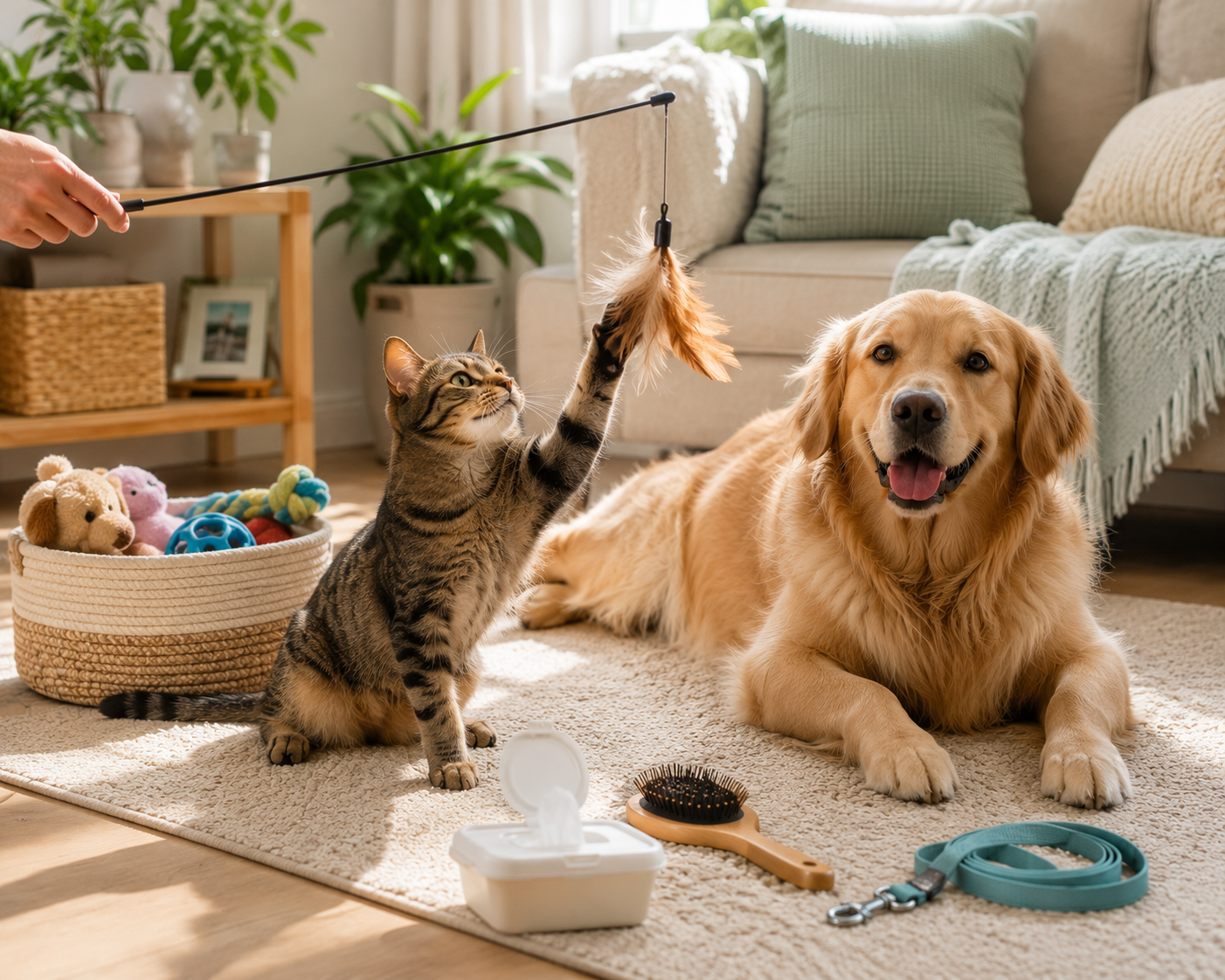
6. Make Time for Affection and Calm Connection
Food and exercise matter, but emotional care matters too. Pets need positive interaction with the people they trust. A strong pet care routine should include intentional moments of connection, not just practical chores.
This does not have to mean constant attention. In fact, many pets do best with a balance of play, affection, rest, and independent time. What matters most is that your pet gets regular one-on-one interaction that feels safe and positive.
Depending on your pet’s personality, connection time might look like:
- Sitting on the floor for a cuddle and belly rub session.
- Practicing a few easy training cues with treats.
- Brushing your pet while talking in a calm voice.
- Having a quiet lap session with your cat in the evening.
- Doing a slow sniff walk that lets your dog explore without rushing.
Pets notice your attention. They learn your habits, your tone, and your routines. A few minutes of calm connection can reduce stress, strengthen trust, and help your pet feel more secure in the household. It is also one of the most rewarding parts of having a pet.
7. Use a Simple Routine for Training and Good Behavior
Training is not something that only matters when your pet is young or when there is a problem. Short, consistent training moments can make everyday life easier at any age. Good routines help pets understand expectations, build confidence, and stay mentally engaged.
Training does not have to mean formal sessions with a clicker and a long list of commands. In a daily pet care routine, it can be as simple as reinforcing the behaviors you want to see more often. That might include sitting politely before meals, waiting at the door, going to a mat while you cook, or coming when called.
Try keeping training short and low-pressure:
- Practice one or two simple cues for a few minutes each day.
- Use treats, praise, or toys as rewards.
- Be consistent with household rules so your pet is not confused.
- Reward calm behavior, not just flashy tricks.
- Use routine moments like mealtime, walks, or bedtime as training opportunities.
For cats, training can include things like coming when called, using a scratching post, going into a carrier calmly, or targeting a hand or stick for enrichment. For dogs, training can support safety, manners, and easier daily management.
Even five minutes a day can make a difference when it happens consistently.
8. Watch for Changes in Mood, Appetite, or Energy
One of the best reasons to have a routine is that it helps you notice when something changes. When you know what is normal for your pet, it becomes much easier to catch early signs of illness, pain, anxiety, or discomfort.
You do not need to become hypervigilant or assume every small change is an emergency. But paying attention to patterns is part of good everyday pet care. Maybe your dog usually races to breakfast but suddenly seems uninterested. Maybe your cat is sleeping much more than usual, hiding, or skipping the litter box. Maybe your pet is drinking far more water than normal or seems sore after jumping onto the couch.
Things worth noticing in your routine include:
- Changes in appetite or thirst.
- Sudden low energy or unusual restlessness.
- Bathroom accidents or litter box changes.
- Vomiting, diarrhea, coughing, or sneezing.
- New limping, sensitivity, or difficulty getting comfortable.
- Behavior shifts such as hiding, irritability, clinginess, or withdrawal.
If something feels off for more than a brief moment, write it down so you can track it clearly. That information can be helpful if you need to talk to your veterinarian. A simple note on your phone about appetite, symptoms, and timing can make a big difference.
9. Create a Weekly Reset for Supplies, Cleaning, and Health Tasks
Daily habits are the foundation of a pet care routine, but a weekly reset keeps everything from slipping through the cracks. This is where you handle the slightly bigger tasks that support the rest of the week.
A weekly reset does not need to take long. Think of it as a 20- to 30-minute check that helps you stay organized and avoid last-minute stress. It is especially useful if you are a busy pet owner who juggles work, errands, kids, or multiple pets.
Your weekly pet care reset might include:
- Washing food and water bowls thoroughly.
- Vacuuming pet hair from favorite hangout areas.
- Washing pet bedding, blankets, or crate pads.
- Checking food, treats, litter, and waste bag supplies.
- Refilling medications or supplements if needed.
- Cleaning grooming tools and organizing pet items.
- Checking the calendar for vet visits, flea prevention, or nail trims.
This weekly reset also helps you spot what is not working. Maybe the leash basket is always a mess, or the litter scoop is in an awkward spot, or you keep forgetting to restock treats. A small system tweak can make the whole routine easier.
A Simple Sample Pet Care Routine You Can Adjust
If you are trying to put all of this together, here is a realistic example of what a simple pet care routine might look like for a typical day. You can adjust it for dogs, cats, multiple pets, work schedules, and your pet’s age and health needs.
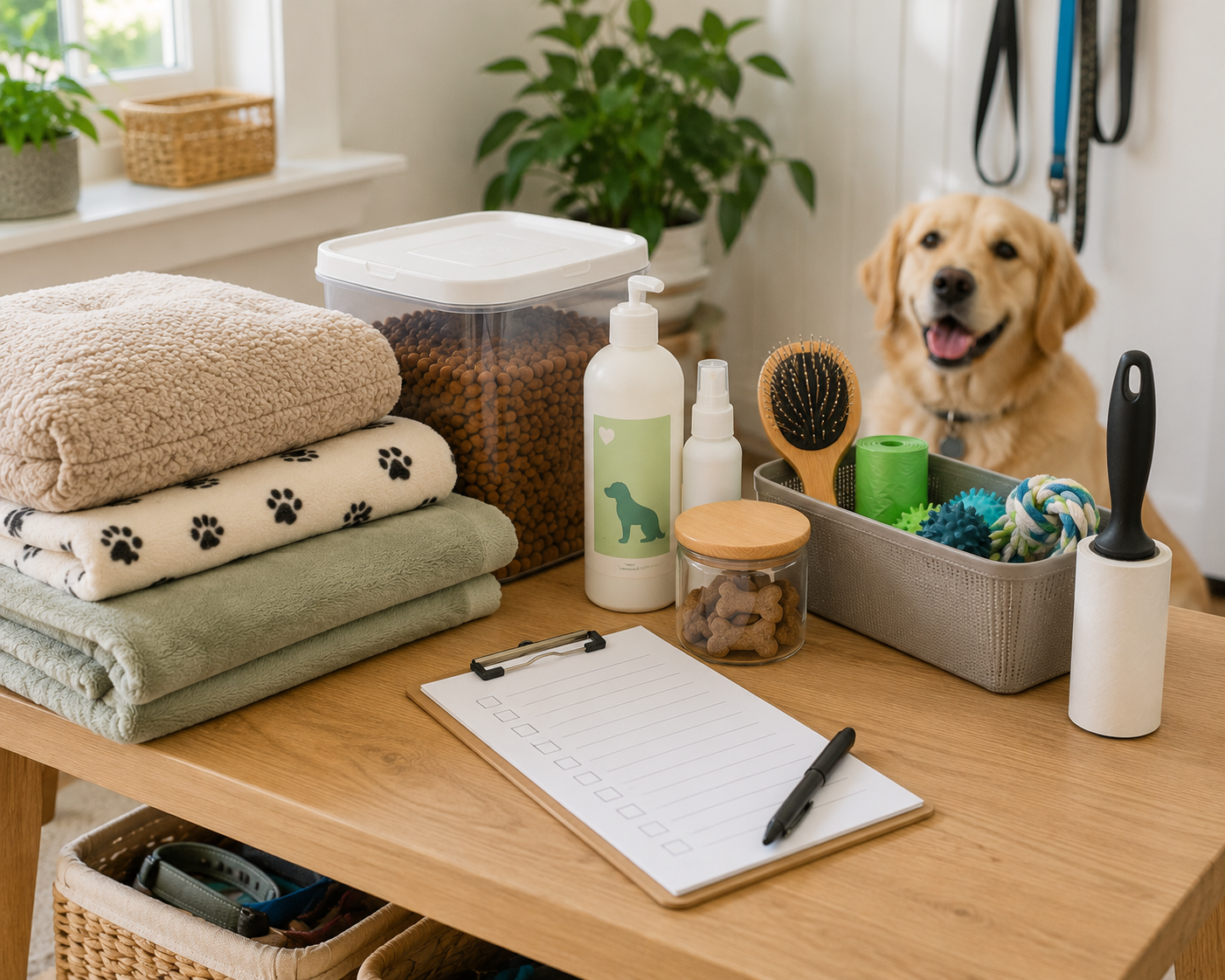
Morning Pet Care Routine
- Refresh water bowls.
- Serve breakfast at a consistent time.
- Take dogs outside for a potty break and short walk.
- Scoop the litter box if you have cats.
- Do a quick grooming or wellness check while petting your pet.
- Give medication or supplements if part of the routine.
Midday or Afternoon Pet Care Routine
- Offer a potty break for dogs.
- Do a short play session or enrichment activity.
- Check water bowls again.
- Offer a small meal or snack if your pet’s feeding plan includes it.
Evening Pet Care Routine
- Serve dinner.
- Take dogs for a walk or active play session.
- Spend a few minutes on brushing, paw checks, or general grooming.
- Scoop litter boxes and tidy pet areas.
- Practice a few minutes of training or calm bonding time.
- Do a final potty break before bed for dogs.
The best routine is the one you can repeat. It does not have to be perfect or look like someone else’s. It just needs to support your pet’s daily needs in a way that works in your home.
How to Make a Pet Care Routine Stick
If you have ever started a new routine and dropped it after a few days, you are not alone. The easiest way to stay consistent is to keep the routine simple and connect pet care tasks to habits you already do.
Try these practical ideas:
- Pair tasks with your schedule: Refill water while making coffee, scoop the litter box before your evening shower, or brush your pet while watching TV.
- Keep supplies easy to reach: Store leashes by the door, grooming tools in one bin, and litter cleanup supplies in the same place every time.
- Use reminders: Phone alarms, sticky notes, or a weekly checklist can help if you are building a new habit.
- Start small: It is better to do a five-minute routine consistently than create an elaborate plan you dread.
- Adjust for life seasons: Your routine may need to shift when work gets busy, kids are home for summer, or your pet becomes a senior. That is normal.
Consistency matters more than perfection. Missing a brushing session or having a late dinner once in a while will not ruin anything. What matters is the overall pattern of care your pet can count on.
Final Thoughts on Building a Happier Pet Care Routine
A simple pet care routine can make home life feel calmer, cleaner, and much more manageable. It helps your pet know what to expect, supports their health, and gives you a better chance of catching small issues before they become big ones. It also turns pet care from a scattered set of chores into a rhythm that feels easier to maintain.
If you are not sure where to begin, start with just three things: consistent meals, fresh water, and daily movement or play. Once those feel automatic, layer in quick grooming checks, a bathroom cleanup routine, and a weekly reset. Small habits are often the ones that stick, and they are usually the ones that create the biggest long-term difference.
The goal is not to create a perfect pet owner schedule. It is to build a practical routine that helps your pet feel safe, cared for, and happy in your home every day. When your routine works, your pet benefits from it in ways you can see and feel, from calmer behavior to better health to a stronger bond with you.