Starting Your Journey as a New Dog Owner
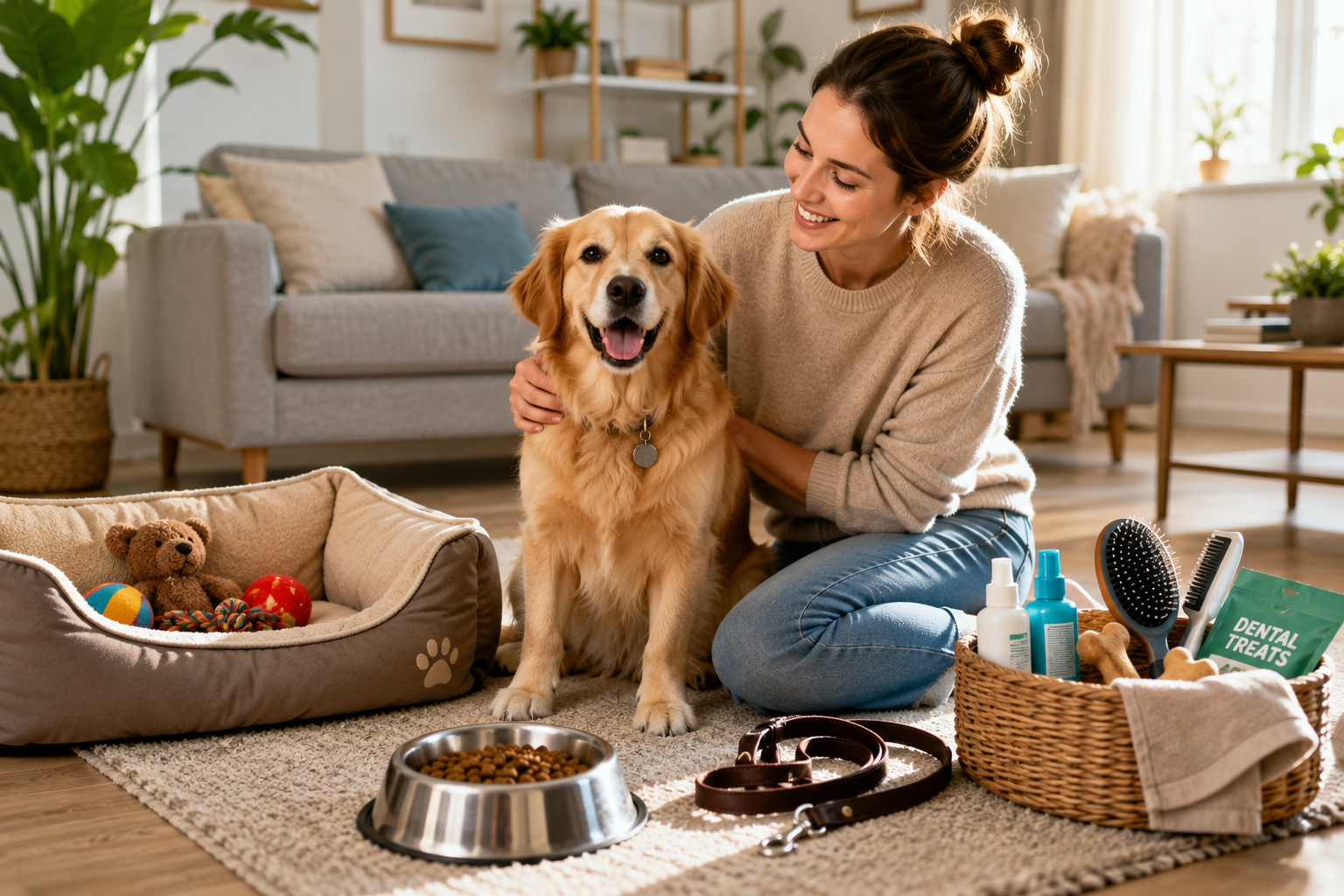
Bringing home a dog is exciting, rewarding, and sometimes a little overwhelming. Whether you have adopted a playful puppy or welcomed an older rescue dog into your home, there is a lot to learn during those first weeks and months.
Dogs rely on their owners for everything from food and exercise to emotional support and medical care. The good news is that you do not need to be a professional trainer or veterinarian to become a great dog owner. A few simple habits can make a huge difference in your dog’s health, happiness, and behavior.
If you are looking for practical dog care tips for beginners, this guide covers the essentials every new dog owner should know. These simple tips will help you build a strong bond with your dog while creating a safe and healthy environment for your new companion.
1. Create a Consistent Daily Routine
Dogs thrive on routine. Predictability helps them feel secure and reduces stress, especially when they are adjusting to a new home.
Try to keep feeding times, walks, play sessions, and bedtime consistent every day. A structured routine helps your dog understand what to expect and can make house training and behavior management much easier.
A simple daily routine may include:
- Morning potty break
- Breakfast at the same time each day
- Regular exercise
- Short training sessions
- Evening walk
- Consistent bedtime
The more consistent you are, the more confident and comfortable your dog will become.
2. Feed High-Quality Food Appropriate for Your Dog
Nutrition plays a major role in your dog’s overall health. Choosing a balanced, high-quality dog food helps support healthy growth, energy levels, digestion, and immune function.
When selecting food, consider your dog’s:
- Age
- Size
- Breed
- Activity level
- Health conditions
Puppies, adults, and senior dogs all have different nutritional needs. Always follow feeding guidelines and avoid overfeeding, which can contribute to obesity and related health issues.
Fresh water should be available at all times. Clean and refill water bowls daily to encourage healthy hydration.
3. Schedule Regular Veterinary Visits
One of the most important responsibilities of dog ownership is preventive health care. Routine veterinary visits help detect potential health issues before they become serious.
Your veterinarian can help with:
- Vaccinations
- Parasite prevention
- Dental care recommendations
- Nutrition guidance
- Routine wellness exams
- Microchipping
If you have a puppy, the first year typically includes multiple veterinary visits for vaccinations and health monitoring. Adult dogs also benefit from annual checkups to maintain long-term health.
4. Focus on Early Training and Socialization
Training is not just about teaching commands. It is about helping your dog understand how to behave safely and confidently in different situations.
Start with basic commands such as:
- Sit
- Stay
- Come
- Leave it
- Down
Use positive reinforcement whenever possible. Reward good behavior with treats, praise, toys, or affection.
Socialization is equally important. Carefully introduce your dog to different people, environments, sounds, and friendly animals. Positive experiences during the early stages of life can help prevent fear and anxiety later on.
5. Make Daily Exercise a Priority
Exercise is essential for both physical and mental health. Dogs that do not get enough activity often become bored, which can lead to destructive behaviors such as chewing, digging, or excessive barking.
The amount of exercise your dog needs depends on factors such as breed, age, and energy level.
Common exercise activities include:
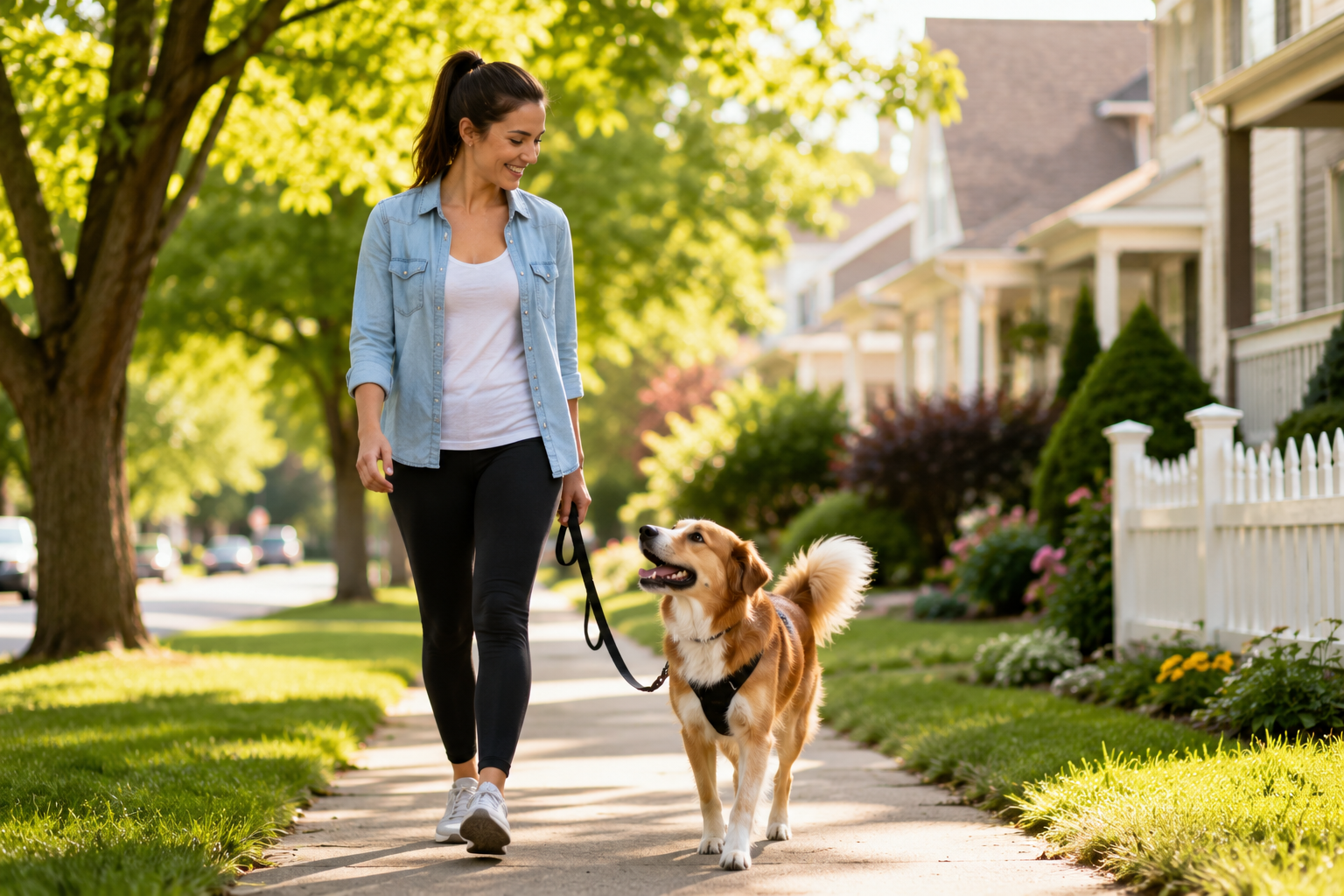
- Daily walks
- Playing fetch
- Running in a secure area
- Interactive games
- Hiking
- Swimming
Regular exercise helps maintain a healthy weight, strengthens muscles and joints, and improves overall behavior.

6. Learn Basic Grooming Habits
Grooming is more than keeping your dog looking good. It is an important part of overall health care.
Regular grooming can help you identify skin issues, parasites, lumps, or injuries before they become serious problems.
Basic grooming tasks include:
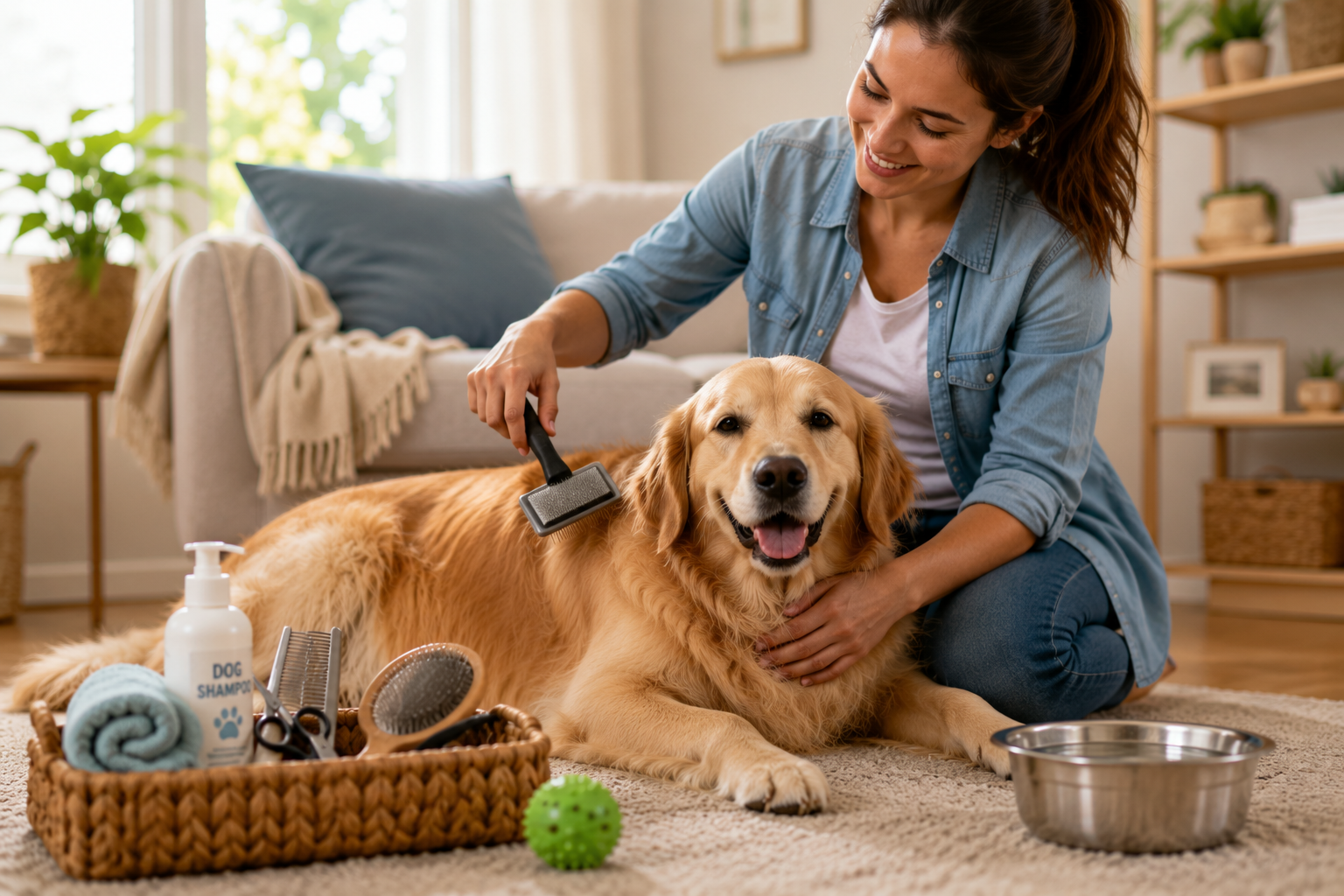
- Brushing the coat
- Bathing when needed
- Trimming nails
- Cleaning ears
- Brushing teeth
Different breeds have different grooming needs. Long-haired breeds may require frequent brushing, while short-haired breeds often need less maintenance.
Dental care is especially important because untreated dental problems can affect your dog’s overall health.
7. Provide Mental Stimulation Every Day
Many new owners focus on physical exercise but forget about mental stimulation. Dogs need opportunities to think, solve problems, and stay engaged.
Mental enrichment helps prevent boredom and can reduce unwanted behaviors.
Simple enrichment activities include:
- Puzzle toys
- Treat-dispensing toys
- Training games
- Hide-and-seek
- Scent work activities
- Learning new commands
Even a short daily training session can challenge your dog’s mind and strengthen your relationship.
8. Create a Safe and Comfortable Home Environment
Your home should provide a safe space where your dog can relax and feel secure.
Before bringing a dog home, remove hazards such as:
- Toxic plants
- Electrical cords
- Household chemicals
- Small choking hazards
- Dangerous foods
Give your dog a dedicated area with a comfortable bed, fresh water, and access to appropriate toys.
Many dogs also benefit from crate training. A properly introduced crate can serve as a safe retreat and assist with house training.
9. Understand Your Dog’s Body Language
Dogs communicate primarily through body language. Learning to recognize these signals helps you understand how your dog is feeling.
Common signs of comfort include:
- Relaxed posture
- Soft eyes
- Gentle tail wagging
- Loose body movements
Signs of stress or discomfort may include:
- Excessive panting
- Yawning when not tired
- Tucked tail
- Avoiding eye contact
- Cowering
- Growling
Understanding these signals allows you to respond appropriately and build trust with your dog.
10. Be Patient During the Adjustment Period
Every dog adapts to a new environment at a different pace. Some dogs settle in quickly, while others need weeks or even months to feel completely comfortable.
New owners sometimes expect immediate results with training and behavior. However, trust and good habits take time to develop.
During the adjustment period:
- Stay consistent
- Avoid punishment-based training
- Reward positive behavior
- Allow your dog time to explore
- Keep expectations realistic
Patience often leads to better long-term results than trying to force progress too quickly.
11. Build a Strong Bond Through Positive Interaction
The relationship you build with your dog is one of the most rewarding aspects of pet ownership.
Dogs are social animals that thrive on companionship and attention. Spending quality time together helps strengthen trust and communication.
Ways to build a strong bond include:
- Daily walks
- Training sessions
- Playtime
- Gentle affection
- Exploring new places together
Consistency, kindness, and positive experiences help create a lasting connection between you and your dog.
Common Mistakes New Dog Owners Should Avoid
Even the most caring owners can make mistakes when they are learning. Being aware of common pitfalls can help you avoid unnecessary challenges.
- Skipping training during the first few months
- Overfeeding treats
- Inconsistent rules and routines
- Not providing enough exercise
- Ignoring dental care
- Delaying veterinary visits
- Leaving dogs alone for long periods without stimulation
Small improvements in daily care can have a significant impact on your dog’s well-being.
Final Thoughts on Dog Care for Beginners
Becoming a dog owner is a wonderful experience that comes with important responsibilities. The good news is that successful dog care is often built on simple daily habits rather than complicated routines.
By establishing a schedule, providing proper nutrition, focusing on training, offering regular exercise, scheduling veterinary care, and building a positive relationship, you can create a healthy and happy life for your dog.
These beginner-friendly dog care tips provide a strong foundation for responsible pet ownership. With patience, consistency, and plenty of love, both you and your dog can enjoy many happy years together.